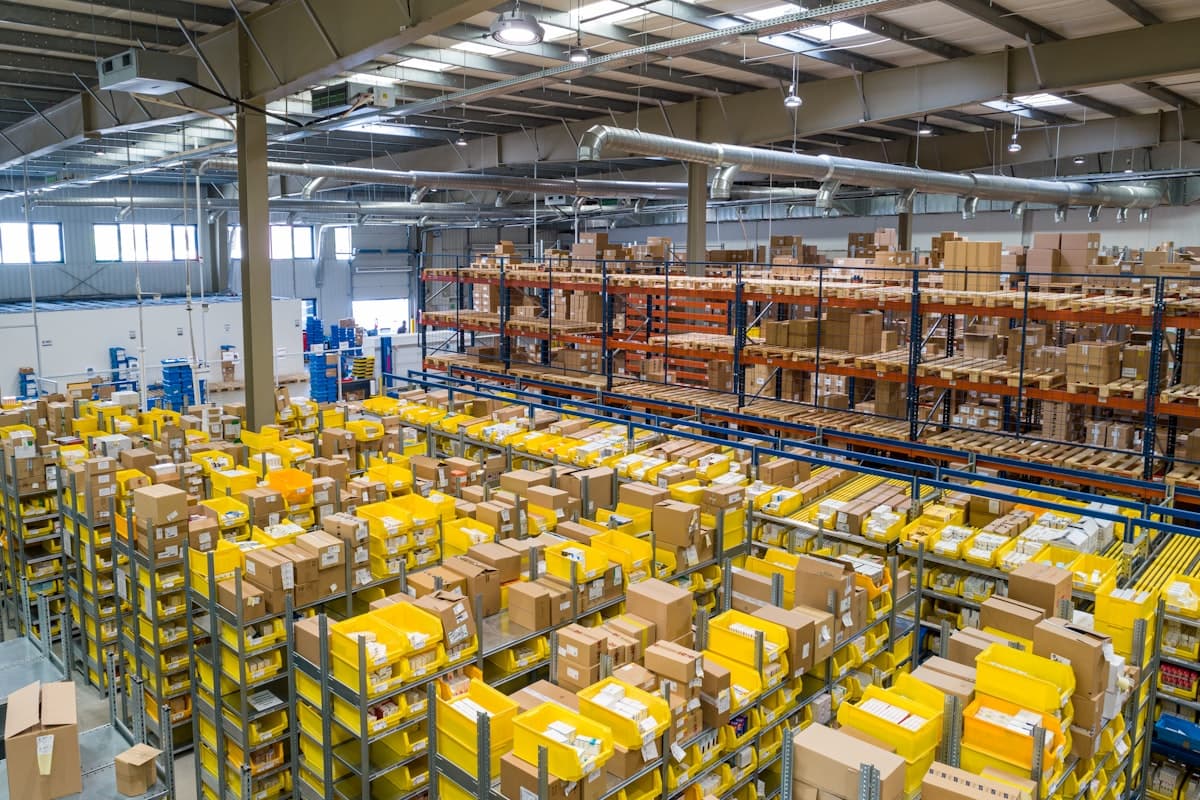
Modern Warehousing Best Practices
Learn how smart warehousing technology and efficient layout design can reduce costs and improve fulfillment speed.
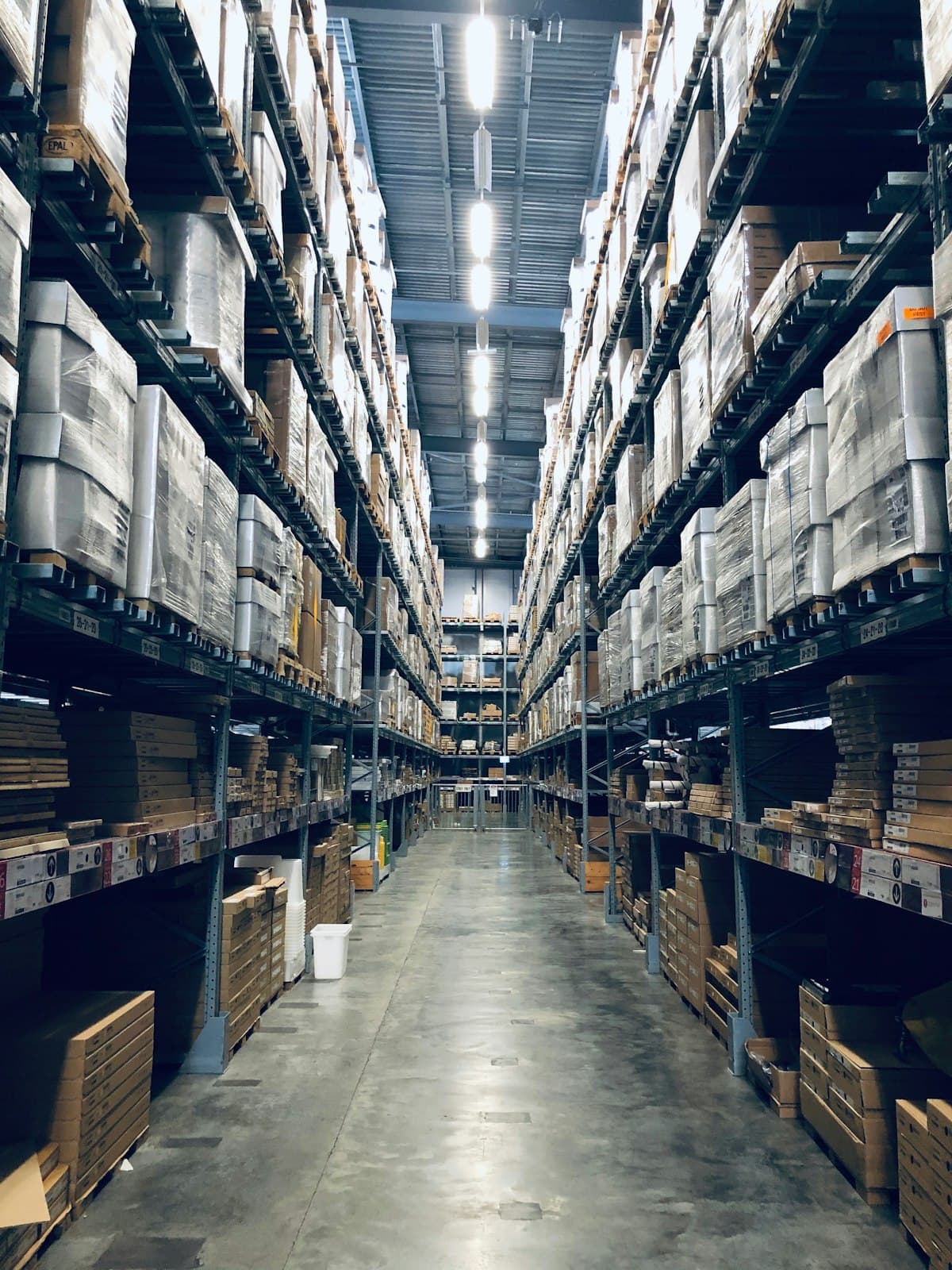
Effective warehousing is the backbone of successful logistics. Modern facilities combine WMS integration, slotting discipline, and automation to move goods faster with fewer errors.
Warehouse layout directly affects pick paths, dock throughput, and labor productivity. Zone-based storage—separating fast movers from seasonal or bulk inventory—cuts travel time and reduces picker fatigue during peak periods.
A warehouse management system (WMS) integrated with your order and transport platforms gives you real-time inventory accuracy. That accuracy prevents overselling, short shipments, and costly emergency transfers between facilities.
Automation does not always mean robotics. Barcode scanning, directed put-away, wave picking, and automated alerts for low stock deliver significant ROI before you invest in heavy machinery.
Security and climate control protect high-value and sensitive goods. Documented receiving inspections, CCTV coverage, and temperature monitoring are baseline expectations for food, pharma, and electronics clients.
“High-performing warehouses align layout, systems, and processes so every order leaves the building accurately and on schedule.”