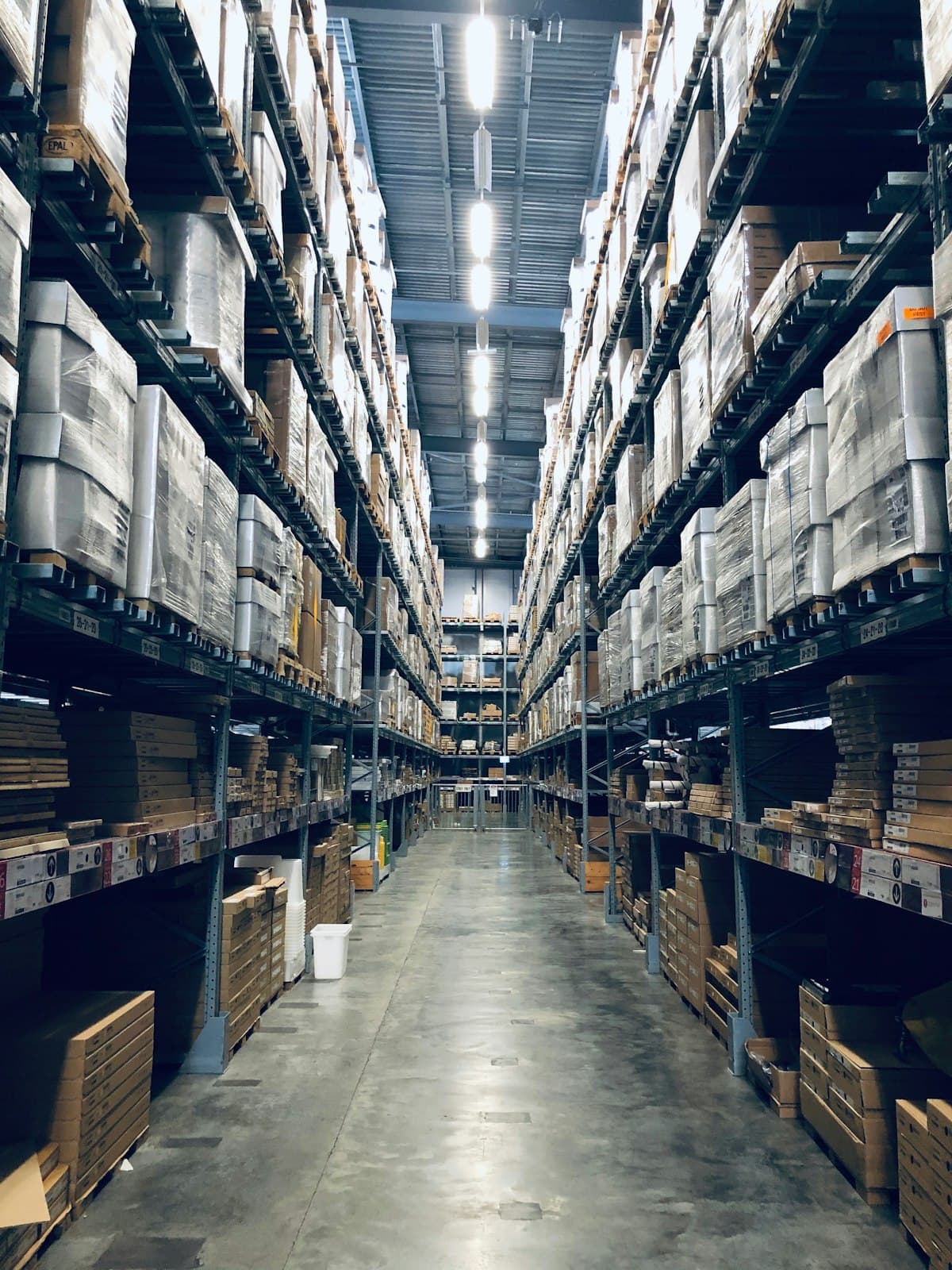
Optimizing Your Supply Chain in 2026
Discover the latest strategies and technologies for building a resilient, efficient supply chain in today's dynamic market.
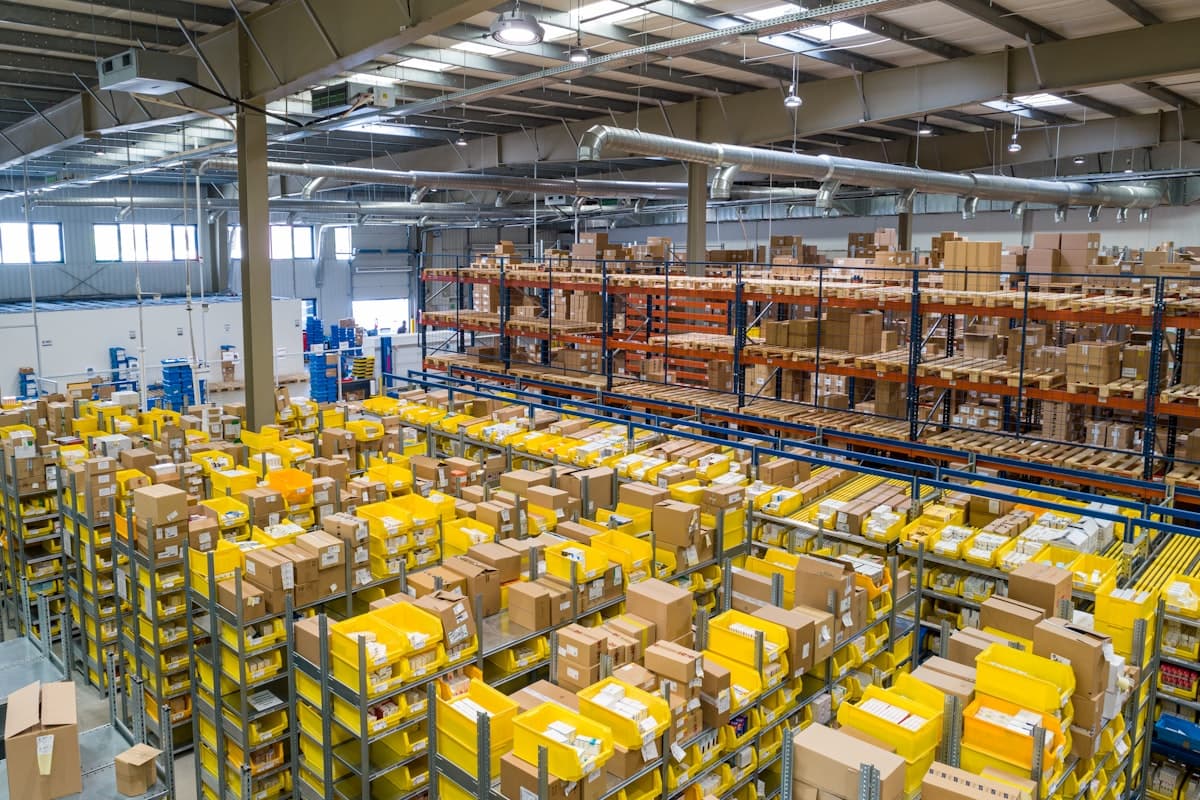
Supply chain optimization is more critical than ever. Businesses that invest in visibility, forecasting, and strategic partnerships are better positioned to absorb disruption and scale with confidence.
In 2026, supply chains face pressure from rising customer expectations, volatile fuel costs, and tighter delivery windows. The companies winning in this environment treat logistics as a competitive advantage—not a back-office function.
Data analytics and AI-driven forecasting help teams anticipate demand spikes, reduce stockouts, and align inventory with real consumption patterns. When paired with reliable freight partners, these tools translate directly into lower carrying costs and faster fulfillment.
Strategic partnerships matter just as much as technology. Carriers, warehouse operators, and last-mile providers that share data and commit to SLAs create a network effect: fewer surprises, faster recovery, and clearer accountability when routes or volumes shift.
Start with a baseline audit of your current lanes, lead times, and cost per shipment. Identify one bottleneck—whether it's inbound receiving, regional distribution, or final-mile handoffs—and pilot a measurable improvement before scaling changes across the network.
“Resilient supply chains combine real-time visibility, predictive planning, and partners who execute consistently under pressure.”